 |
 |
 |
 |
 |
|
 |
|
 |
|
 |
|
 |
|
 |
|
|
|
 |
|
|
|
 |
|
|
|
 |
 |
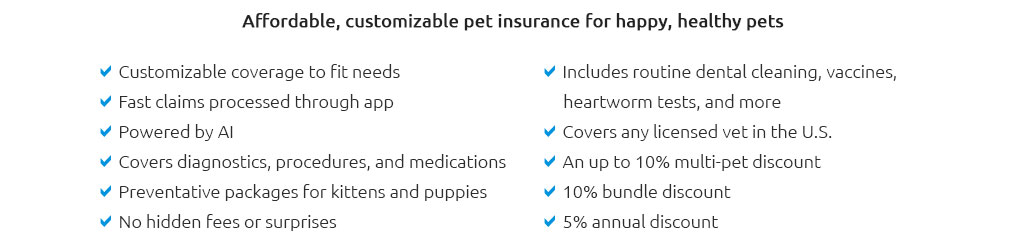
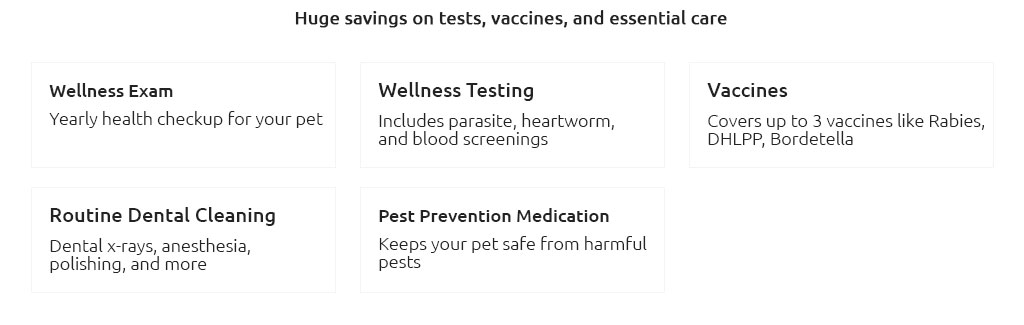
Exploring the World of Pet Health Insurance: Is It a Viable Option for Pet Owners?In recent years, the concept of pet health insurance has gained considerable traction, leaving many pet owners pondering whether it is a necessary investment or merely a superfluous expense. With the rising costs of veterinary care and the increasing awareness of pet health and well-being, the question of whether there is such a thing as pet health insurance and if it holds any merit is more pertinent than ever. Pet health insurance, in its essence, functions similarly to human health insurance. It is a policy purchased by pet owners to cover a portion of their pets' medical expenses, thus providing a financial safety net in the event of accidents, illnesses, or even routine care. Yet, as straightforward as this may sound, the decision to procure pet health insurance is not devoid of complexity and requires a nuanced understanding of its benefits and limitations. To begin with, the primary allure of pet health insurance lies in its potential to alleviate financial burdens. Veterinary bills can be exorbitant, particularly in cases of emergencies or chronic conditions, and having insurance can significantly mitigate these costs. For many, knowing that they will not have to make heart-wrenching decisions based on financial constraints can be a profound relief. However, it is crucial to recognize that pet health insurance policies vary widely in terms of coverage, premiums, and exclusions. As such, it is imperative for pet owners to meticulously scrutinize the details of any prospective policy. Coverage options typically include accident-only plans, illness coverage, and comprehensive plans that encompass wellness and preventive care. Each option comes with its own set of considerations and price points, necessitating a thorough evaluation of one’s financial situation and the specific needs of the pet. Another factor to consider is the pre-existing conditions clause, which is a common stipulation in most pet insurance policies. This clause can exclude coverage for conditions that were present before the initiation of the policy, and understanding its implications is crucial in making an informed decision. Some may argue that for pets with known health issues, setting aside a dedicated savings fund might be a more prudent approach than opting for an insurance policy.
Moreover, pet insurance is not a one-size-fits-all solution, and its value can vary greatly depending on individual circumstances. For instance, owners of breeds prone to certain health issues may find insurance particularly advantageous, while those with healthy pets or mixed breeds might question its necessity. Additionally, factors such as the age of the pet, lifestyle, and even geographical location can influence the decision-making process. In conclusion, while pet health insurance is not a mandatory requirement for responsible pet ownership, it certainly provides a viable option for those seeking financial security against unforeseen veterinary expenses. It is a decision that requires careful consideration and, ideally, a conversation with a trusted veterinarian or financial advisor. The peace of mind it offers can be invaluable, but as with any financial product, it should align with one’s overall financial strategy and personal values. Ultimately, whether or not to invest in pet health insurance is a personal decision, one that should be made with a comprehensive understanding of its potential benefits and limitations. https://www.goodrx.com/pet-health/pets/how-to-shop-for-pet-health-insurance
Pet insurance is a financial product that helps cover the cost of veterinary care for your pet. It's similar to health insurance for people in some ways. But ... https://www.pawlicy.com/blog/free-dog-health-insurance/
Unfortunately, the answer is no, there is no such thing as free pet insurance for dogs unless your employer offers it as a voluntary benefit. https://www.reddit.com/r/dogs/comments/qjrjam/pet_insurance_worth_it_or_not_and_which_one/
If you have a healthy pet and are not concerned about unexpected veterinary costs, it may not be necessary. However, if you want to be prepared ...
|
